Medicinal mushrooms are becoming increasingly well-known and popular – many swear by their invigorating properties and numerous benefits, which have been used for millennia in traditional Chinese medicine and worldwide. Thanks to modern research, their constituents and applications are becoming ever better understood and are blending with the growing body of experience.
But are medicinal mushrooms scientifically sound? Are they evidence-based? Which studies are there that one should have seen?
This article will focus on that topic – anyone who reads it to the end will henceforth view medicinal mushrooms in a different light. This is just a brief overview. There are well over 5,000 (!) studies on medicinal mushrooms. In our blog articles on individual medicinal mushrooms, you will find further studies that we refer to.
Some medicinal mushrooms are not only delicious, but also beneficial to our health. This is recognized by naturopathy and by the many people who already use medicinal mushrooms.
What about the scientific research surrounding medicinal mushrooms? As of today's topic, there are already thousands of scientific studies on medicinal mushrooms, their constituents, and applications. For Reishi alone, the PubMed scientific database yields over 2,000 search results (when searching for "Ganoderma lucidum").
Why are there already so many studies on this topic? One explanation lies in the uninterrupted history of medicinal mushrooms in Chinese and Japanese medicine, spanning millennia.
This history is so strong and vibrant that some medicinal mushroom extracts (primarily Reishi, Shiitake, Maitake, and Turkey Tail) are even approved in conventional medicine. Among other things, they are used to treat certain types of cancer, such as breast and colon cancer. That speaks for itself!
Thanks to extensive experience in China and Japan, medicinal mushrooms were intensively researched after World War II. Their approval in conventional medicine in the 1980s was then only a logical next step.
These studies are the ones that are now reaching Europe and the USA, being read and making them more widely known here as well – and also driving the implementation of clinical trials in the West.
In Europe and the USA, medicinal mushrooms do not yet have a proper lobby. A lobby is an interest group representing a specific economic sector – since this does not yet exist for medicinal mushrooms in the West, there is hardly any lobbying to gain greater attention for these natural remedies at the national and political level (e.g., government funding).
Furthermore, there is a lack of funding for conducting large-scale studies. And that brings us to the main problem: in this country, "evidence-based" refers to research that can demonstrate large-scale, long-term studies of the gold standard (placebo- and double-blind controlled).
These studies receive little government funding, so they are usually commissioned by companies or foundations. Therefore, large-scale, gold-standard studies on medicinal mushrooms currently lack the necessary financial resources and lobbying power.

What is considered economically interesting and "worthy of support" in studies is also what can be patented. Since medicinal mushrooms and their extracts are not single substances but complex mixtures of thousands of individual substances, they are not patentable and therefore not of interest to many large companies.
This puts naturopathy at a significant disadvantage in the current landscape of "evidence-based medicine." But what does "evidence-based" actually mean?
Evidence-based medicine is a young developmental direction in conventional medicine and was described by DL Sackett in 1996.
Evidence-based medicine is therefore "evidence-based" (proof-based) the requirement that the treatment of a patient be based on both…
… according to the clinical experience of the treating physician as well as
… to be weighed against the available study evidence.
There is a long and extensive body of experience with medicinal mushrooms – not only in the Far East, but also in European naturopathy. What about study evidence? Gold-standard studies are currently being demanded, but by definition of evidence-based medicine, these are not mandatory, but merely an option.
The classic study design (human long-term study, placebo double-blind control) was designed for pharmaceuticals and cannot be directly applied to natural remedies.
Since there is a wealth of experience and many clinical studies on medicinal mushrooms, they can by definition be described as "evidence-based". In many scientific studies and reviews, they are even considered a "blessing for therapeutic use" [1].

Admittedly, there isn't a gold-standard human study for every indication. However, there are remarkable studies that should be mentioned. This demonstrates how strong the research evidence actually is and what potential benefits and opportunities this presents for medicinal mushrooms:
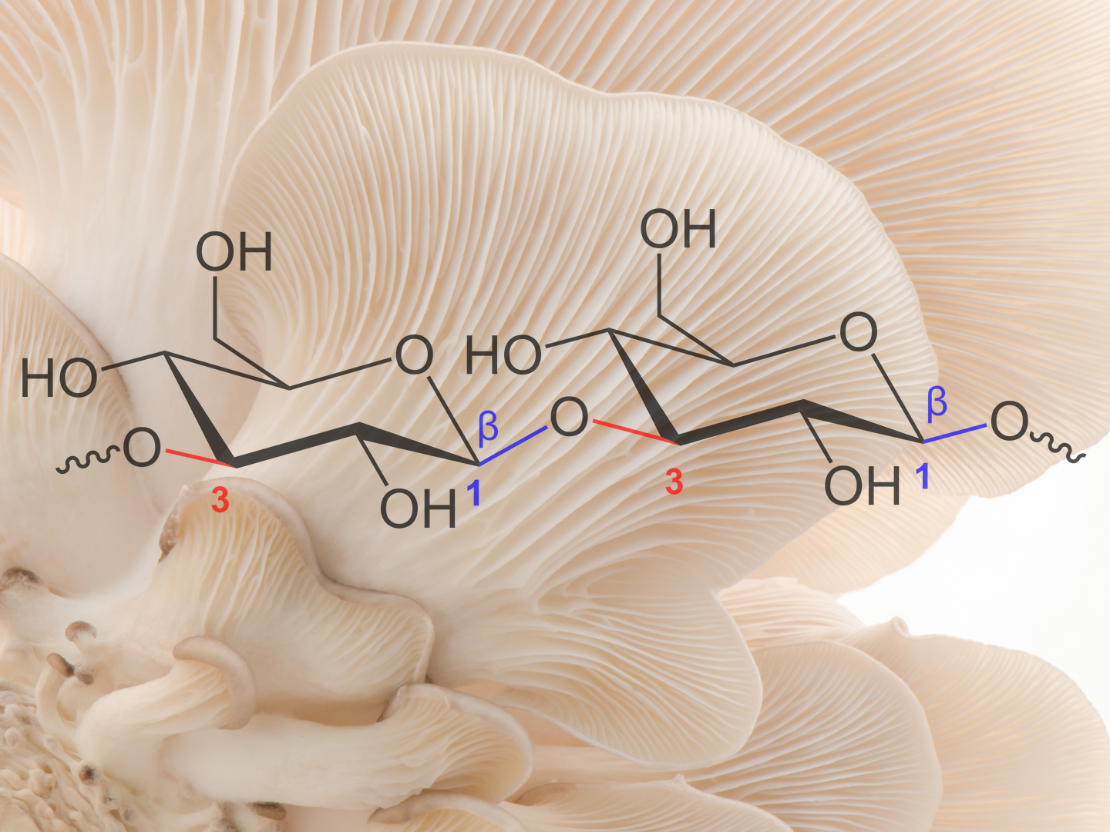
In this meta-analysis [2], all studies on lentinan (a β-glucan from shiitake mushrooms) and lung cancer between 2004 and 2016 were analyzed. The result was very clear: lentinan is associated with a better response rate to chemotherapy (57% vs. 43%) and an overall better treatment prognosis.
In a 2019 study [3], overweight participants were given lion's mane during a diet. The study investigated how lion's mane (vs. placebo) affected mood and potential depression, food cravings, mood swings, etc.
The results showed that all markers of mental health were better in the lion's mane group. Depression, cravings, and relapses were lower. A possible mechanism suggested was that the production of BDNF (a nerve growth factor) promoted by taking lion's mane could be responsible.
In a study [4], participants were given a high daily dose of lion's mane (several grams of extract) for 12 weeks. They were asked to complete various cognitive tests before and after the 12 weeks.
Result: After taking lion's mane extract, the participants were cognitively fitter and were associated with being "smarter" and having a higher IQ.
A Cochrane Review [5] analyzed whether Reishi is suitable as a therapeutic agent in cancer therapy.
Result: While Reishi is not suitable as a primary therapy, it can be used as a complementary treatment during cancer therapy. It is associated with a higher response rate to chemotherapy, improved immune function, and a higher quality of life.
In a 2014 study [6], competitive athletes (cyclists) were given Reishi and Cordyceps daily for 3 months and their cortisol and testosterone levels were measured during high training intensity.
Normally, under high stress, athletes' testosterone levels drop while cortisol (catabolism, muscle breakdown) rises. This study demonstrated that a testosterone drop and cortisol increase could be prevented.
In a large study in China [7], patients with breast cancer were given 1800 mg of shiitake extract during their second round of chemotherapy (5-fluorouracil + epirubicin + cyclophosphamide). Chemotherapy typically leads to a significant drop in white blood cell count and numerous side effects. The study showed that shiitake prevented this drop in white blood cell count and maintained the patients' quality of life.
Let's stay on topic: Although it concerns PSK (a glycoprotein) from the turkey tail mushroom, which is not approved as a food in Europe; but it still shows how potent medicinal mushrooms can be.
In this study [8] from 2004, colon cancer patients received their chemotherapy (UFT) after surgery with a placebo or 3 g PSK for 2 years.
Result: 5 years later, the survival rate in the PSK group was 73% (vs. 58.8%). Cancer recurrence was 43% lower, and the mortality rate was 40% lower.
Patients [9] with type 2 diabetes received (placebo-double-blind controlled) 1500 mg of almond mushroom extract or a placebo in addition to their medication (metformin and gliclazide) for 12 weeks.
After 12 weeks, the HOMA index (index for insulin resistance) in the almond mushroom group was significantly lower at 3.6 than in the placebo group (6.6). Adiponectin levels in the blood were 40% higher in the almond mushroom group.
In another study in China [10], hepatitis B patients with elevated liver enzymes (without medication) received 1500 mg of almond mushroom extract daily for 12 months. After 12 months, the liver enzyme levels (primarily the ALT level) had normalized (from an average of 250 IU/L to 62 IU/L, within the normal range). The researchers wrote in the study that the liver enzyme levels were “normalized” despite the hepatitis B.
Can eating shiitake mushrooms every day boost the immune system? A 2015 study [11] suggests this. Study participants received 5 or 10 g of fresh shiitake mushrooms daily for 30 days. After 30 days, the level of γδ T cells, which are important for mucous membranes, was 60% higher, and the level of natural killer cells was 100% higher.
Further observations: More sIgA detectable in the mucous membranes, lower TNF α and CRP levels as markers for inflammatory reactions.
In cases of Helicobacter pylori -related gastritis, antibiotic therapy is often the only effective treatment. However, a study [12] has shown that the constituents of lion's mane have a selective antibacterial effect against H. pylori – even at low concentrations where antibiotics are ineffective.
This study [13] was conducted on rabbits, but the results are certainly also of interest to humans: Atherosclerosis was artificially induced in rabbits by a diet high in fat and cholesterol. This was characterized by hypercholesterolemia and oxidative stress – oxidized LDL cholesterol precipitates and is deposited on the vessel wall.
However, in rabbits given Reishi triterpenes, it was observed that the triterpenes were able to prevent the oxidation of LDL cholesterol in a dose-dependent manner.
A growing number of clinical studies are demonstrating the benefits of medicinal mushrooms. This article will present some interesting studies that highlight the enormous power of medicinal mushrooms, which can be used daily in our diet, as dietary supplements, or in therapy.
This article is just meant to give you a brief overview. There are well over 5,000 (!) studies on medicinal mushrooms. You can find more fascinating research in our blog articles about individual medicinal mushrooms.
1) Chaturvedi, VK, S Agarwal, KK Gupta, PW Ramteke, and MP Singh. "Medicinal Mushroom: Boon for Therapeutic Applications." 3 Biotech 8, no. 8 (Aug 2018): 334. https://dx.doi.org/10.1007/s13205-018-1358-0 .
2) Zhang, Y., M. Zhang, Y. Jiang, X. Li, Y. He, P. Zeng, Z. Guo, Y. Chang, H. Luo, Y. Liu, C. Hao, H. Wang, G. Zhang, and L. Zhang. "Lentinan as an Immunotherapeutic for Treating Lung Cancer: A Review of 12 Years Clinical Studies in China." J Cancer Res Clin Oncol 144, no. 11 (Nov 2018): 2177-86. https://dx.doi.org/10.1007/s00432-018-2718-1 .
3) Saitsu, Y., A. Nishide, K. Kikushima, K. Shimizu, and K. Ohnuki. "Improvement of Cognitive Functions by Oral Intake of Hericium Erinaceus." Biomed Res 40, no. 4 (2019): 125-31. https://dx.doi.org/10.2220/biomedres.40.125 .
4) Vigna, L., F. Morelli, GM Agnelli, F. Napolitano, D. Ratto, A. Occhinegro, C. Di Iorio, E. Savino, C. Girometta, F. Brandalise, and P. Rossi. "Hericium Erinaceus Improves Mood and Sleep Disorders in Patients Affected by Overweight or Obesity: Could Circulating Pro-Bdnf and Bdnf Be Potential Biomarkers?", Evid Based Complement Alternat Med 2019 (2019): 7861297. https://dx.doi.org/10.1155/2019/7861297 .
5) Jin, X., J. Ruiz Beguerie, DM Sze, and GC Chan. "Ganoderma Lucidum (Reishi Mushroom) for Cancer Treatment." Cochrane Database Syst Rev 4, no. 4 (Apr 5 2016): Cd007731. https://dx.doi.org/10.1002/14651858.CD007731.pub3 .
6) Rossi, P., D. Buonocore, E. Altobelli, F. Brandalise, V. Cesaroni, D. Iozzi, E. Savino, and F. Marzatico. "Improving Training Condition Assessment in Endurance Cyclists: Effects of Ganoderma Lucidum and Ophiocordyceps Sinensis Dietary Supplementation." Evid Based Complement Alternat Med 2014 (2014): 979613. https://dx.doi.org/10.1155/2014/979613 .
7) Nagashima, Y., N. Maeda, S. Yamamoto, S. Yoshino, and M. Oka. "Evaluation of Host Quality of Life and Immune Function in Breast Cancer Patients Treated with Combination of Adjuvant Chemotherapy and Oral Administration of Lentinula Edodes Mycelia Extract." Onco Targets Ther 6 (2013): 853-9. https://dx.doi.org/10.2147/OTT.S44169 .
8) Ohwada, S., T. Ikeya, T. Yokomori, T. Kusaba, T. Roppongi, T. Takahashi, S. Nakamura, S. Kakinuma, S. Iwazaki, H. Ishikawa, S. Kawate, T. Nakajima, and Y. Morishita. "Adjuvant Immunochemotherapy with Oral Tegafur/Uracil Plus Psk in Patients with Stage Ii or Iii Colorectal Cancer: A Randomized Controlled Study." Br J Cancer 90, no. 5 (Mar 8 2004): 1003-10. https://dx.doi.org/10.1038/sj.bjc.6601619 .
9) Hsu, CH, YL Liao, SC Lin, KC Hwang, and P. Chou. "The Mushroom Agaricus Blazei Murill in Combination with Metformin and Gliclazide Improves Insulin Resistance in Type 2 Diabetes: A Randomized, Double-Blinded, and Placebo-Controlled Clinical Trial." J Altern Complement Med 13, no. 1 (Jan-Feb 2007): 97-102. https://dx.doi.org/10.1089/acm.2006.6054 .
10) Hsu, CH, KC Hwang, YH Chiang, and P. Chou. "The Mushroom Agaricus Blazei Murill Extract Normalizes Liver Function in Patients with Chronic Hepatitis B." J Altern Complement Med 14, no. 3 (Apr 2008): 299-301. https://dx.doi.org/10.1089/acm.2006.6344 .
11) Dai, X., JM Stanilka, CA Rowe, EA Esteves, C. Nieves, Jr., SJ Spaiser, MC Christman, B. Langkamp-Henken, and SS Percival. "Consuming Lentinula Edodes (Shiitake) Mushrooms Daily Improves Human Immunity: A Randomized Dietary Intervention in Healthy Young Adults." J Am Coll Nutr 34, no. 6 (2015): 478-87. https://dx.doi.org/10.1080/07315724.2014.950391 .
12) Liu, JH, L. Li, XD Shang, JL Zhang, and Q. Tan. "Anti-Helicobacter Pylori Activity of Bioactive Components Isolated from Hericium Erinaceus." J Ethnopharmacol 183 (May 13 2016): 54-58. https://dx.doi.org/10.1016/j.jep.2015.09.004 .
13) Lai, P., X. Cao, Q. Xu, Y. Liu, R. Li, J. Zhang, and M. Zhang. "Ganoderma Lucidum Spore Ethanol Extract Attenuates Atherosclerosis by Regulating Lipid Metabolism Via Upregulation of Liver X Receptor Alpha." Pharm Biol 58, no. 1 (Dec 2020): 760-70. https://dx.doi.org/10.1080/13880209.2020.1798471 .


Organic functional mushrooms
from Europe

Scientifically developed - tradition meets modernity

Suitable for everyday use & delicious

Independently laboratory tested
in Germany